Explore crop results, farmer experiences and photographs from the field. Choose a crop to find what matters to your farm.
9 records · All crops
Without MaxyieldWith Maxyield
Comparison photograph supplied by the Maxyield team. Left: without Maxyield. Right: with Maxyield. The photograph is not independently linked to the averaged yield figures.
Rice · Reported result
Mwea, Kirinyaga
Rice in Mwea
Across seven supplied Mwea records, the average reported harvest was higher with Maxyield.
Average reported harvest per acre
Measure
Without Maxyield
With Maxyield
Total harvest
1,952 kg
2,820 kg
Average reported yield increase
+44%
Team-supplied summary across seven Mwea records. The figures are reported results, not a controlled trial or a guaranteed outcome.
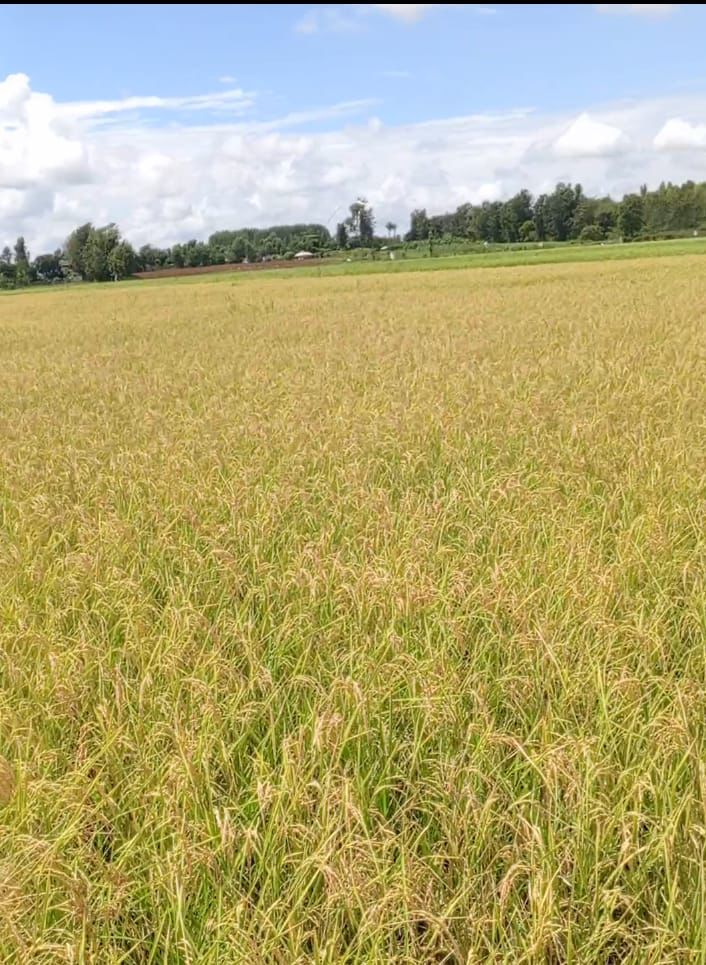
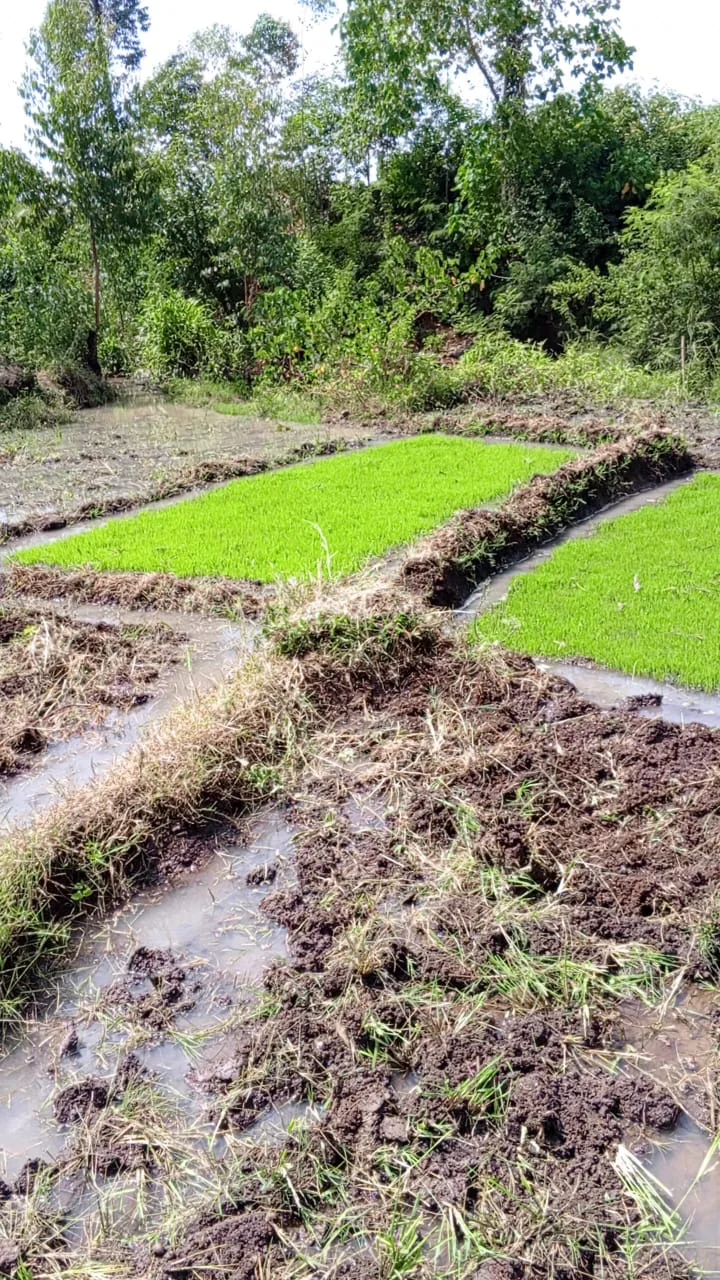
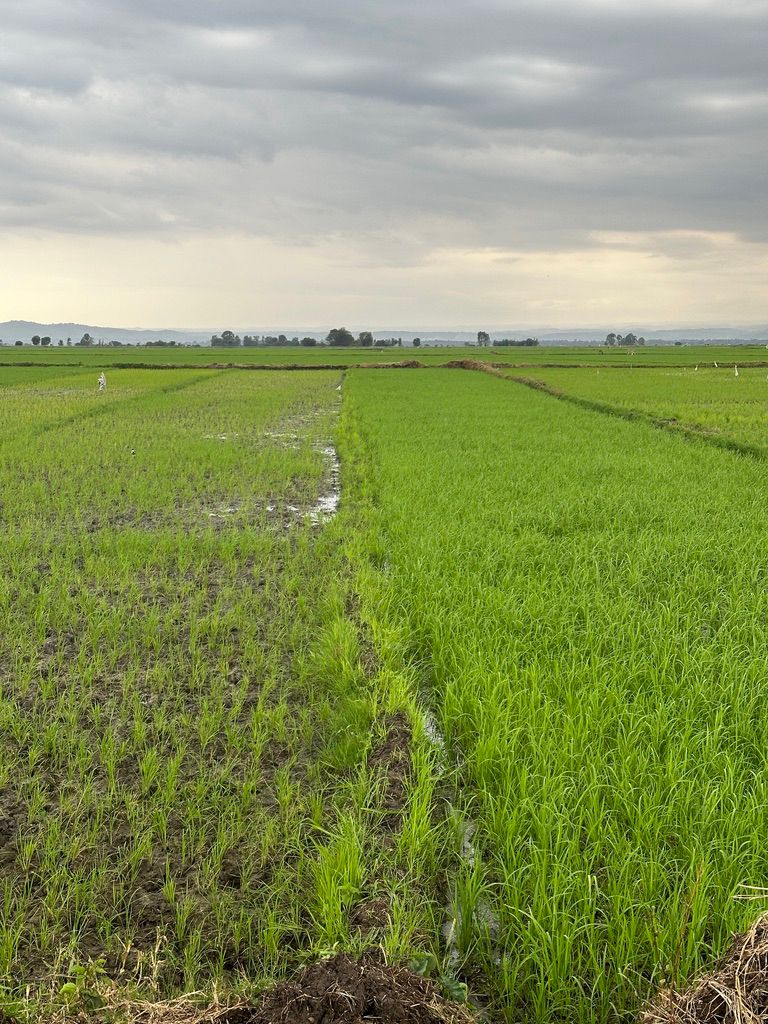
Mature rice field photograph supplied by the Maxyield team; not independently matched to the reported ratoon figures.
Rice · Reported result
Kenya
A second harvest without sowing again
Ratoon rice is the regrowth harvested after the main crop is cut. It provides an additional harvest without sowing a new crop. In this supplied comparison, the Maxyield crop produced more bags and heavier bags.
Reported ratoon harvest comparison
Measure
Without Maxyield
With Maxyield
Bags harvested
15
23
Average bag weight
95.0 kg
108.5 kg
Total harvest
1,425.0 kg
2,495.5 kg
Gross sales at KES 85/kg
KES 121,125.00
KES 212,117.50
Reported total yield increase
+75.1%
Additional reported harvest
+1,070.5 kg
Calculated from figures supplied by the Maxyield team. The reported gross sales difference is KES 90,992.50. Production costs were not supplied, so this is a sales difference, not a profit figure. Results are not independently verified or guaranteed.
Comparison photograph supplied by the Maxyield team. Treatment labels confirmed by the team; the photograph is not independently linked to the reported yield figure.
Wheat · Reported result
Narok
Wheat in Narok
A wheat yield improvement reported in the existing Maxyield field results.
Reported yield increase
+33%
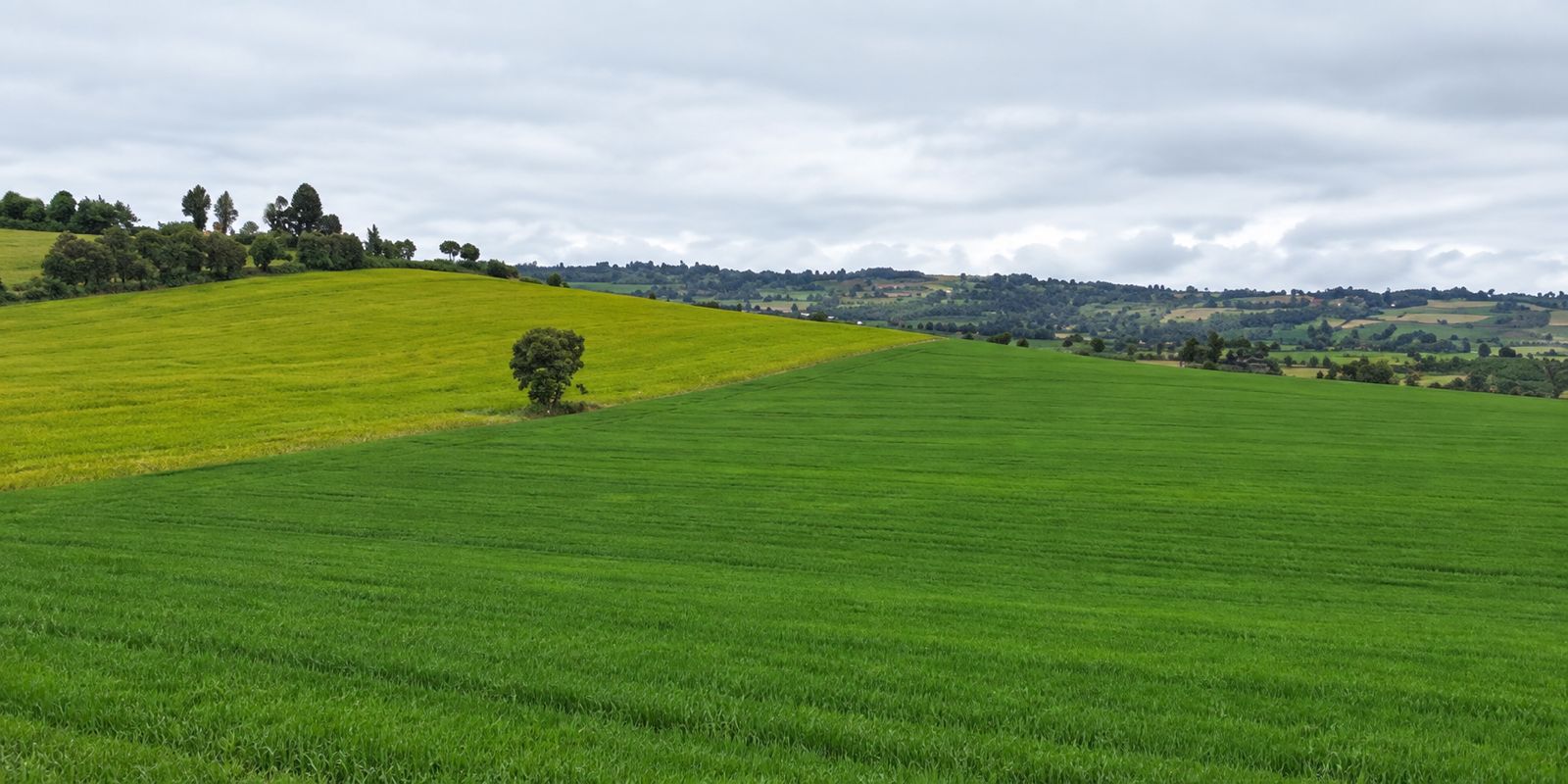
A reported case summary, not a guaranteed outcome. Matched comparison photographs and the full trial details are not yet published here.
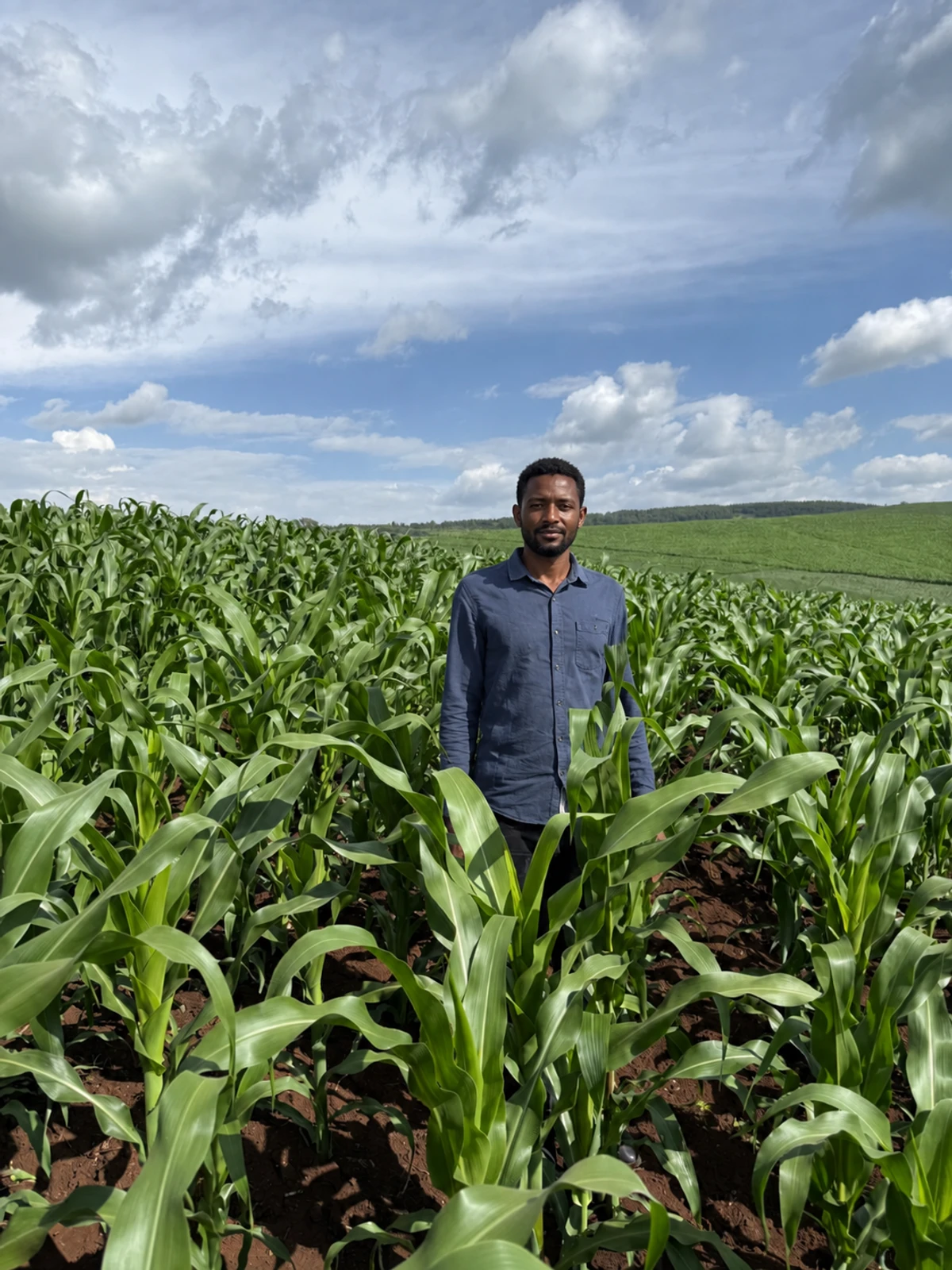
Illustratively edited: people are shown with fictional faces and clothing. Not an unaltered trial photograph or the measured trial plot.
Sugarcane · Reported result
Kenya
Stronger cane, higher returns
Maxyield field experience in sugarcane reports stronger stalks, 40–50% more tillers and earlier maturity. In the supplied example, yield increased from about 40 to as much as 60 tonnes per acre, with higher sugar content and improved nutrient and water efficiency also observed.
Reported yield / acre
40–60 t
Reported tillers / plant
+40–50%
Reported earlier maturity
Up to 4 months
Potential extra gross revenue / acre
KES 100,000
Reported field experience, not a controlled trial or guaranteed outcome. The revenue illustration is 20 additional tonnes at KES 5,000 per tonne, before production costs. Any fertilizer-rate reduction must follow soil analysis and local agronomic advice. Suitable soil pH remains essential; Maxyield’s humic and fulvic components are intended to support the soil environment, nutrient availability and root development—not replace fertilizer or liming.
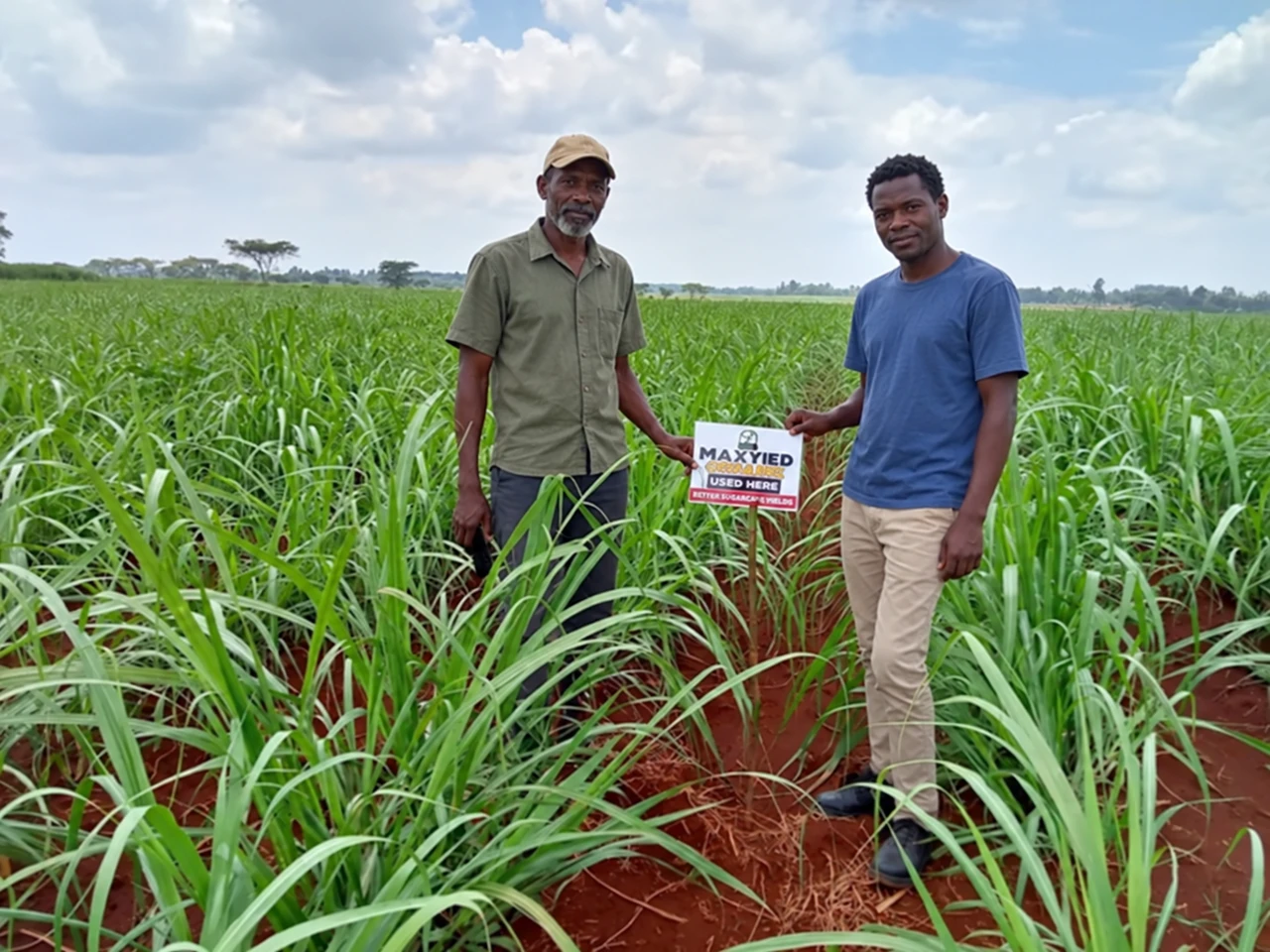
Digitally restored from a Maxyield team photograph; fine details have been reconstructed. Not an unaltered trial photograph or evidence of the reported density change.
Coffee · Reported result
Kenya
Heavier beans, stronger returns
In the supplied comparison, the same volume of coffee beans weighed 2.70 kg without Maxyield and 3.40 kg with Maxyield—about 26% more. Heavier, better-filled beans indicate greater dry-matter accumulation; they do not by themselves prove a 26% yield increase.
Weight of the same reported bean volume
Measure
Without Maxyield
With Maxyield
Measured weight
2.70 kg
3.40 kg
Reported bean-density increase
+26%
Illustrative extra gross revenue / acre
KES 1.44m
Team-supplied field measurement; the sample method and trial conditions were not independently verified. The revenue scenario is not a measured result: it assumes 9,000 kg/acre, a separate 20% yield improvement and KES 800/kg, before production costs. Soil pH and analysis, plant age, the existing fertilizer programme and local agronomic advice should determine application. Maxyield supports the soil and root environment; it does not replace fertilizer or correct pH by itself.
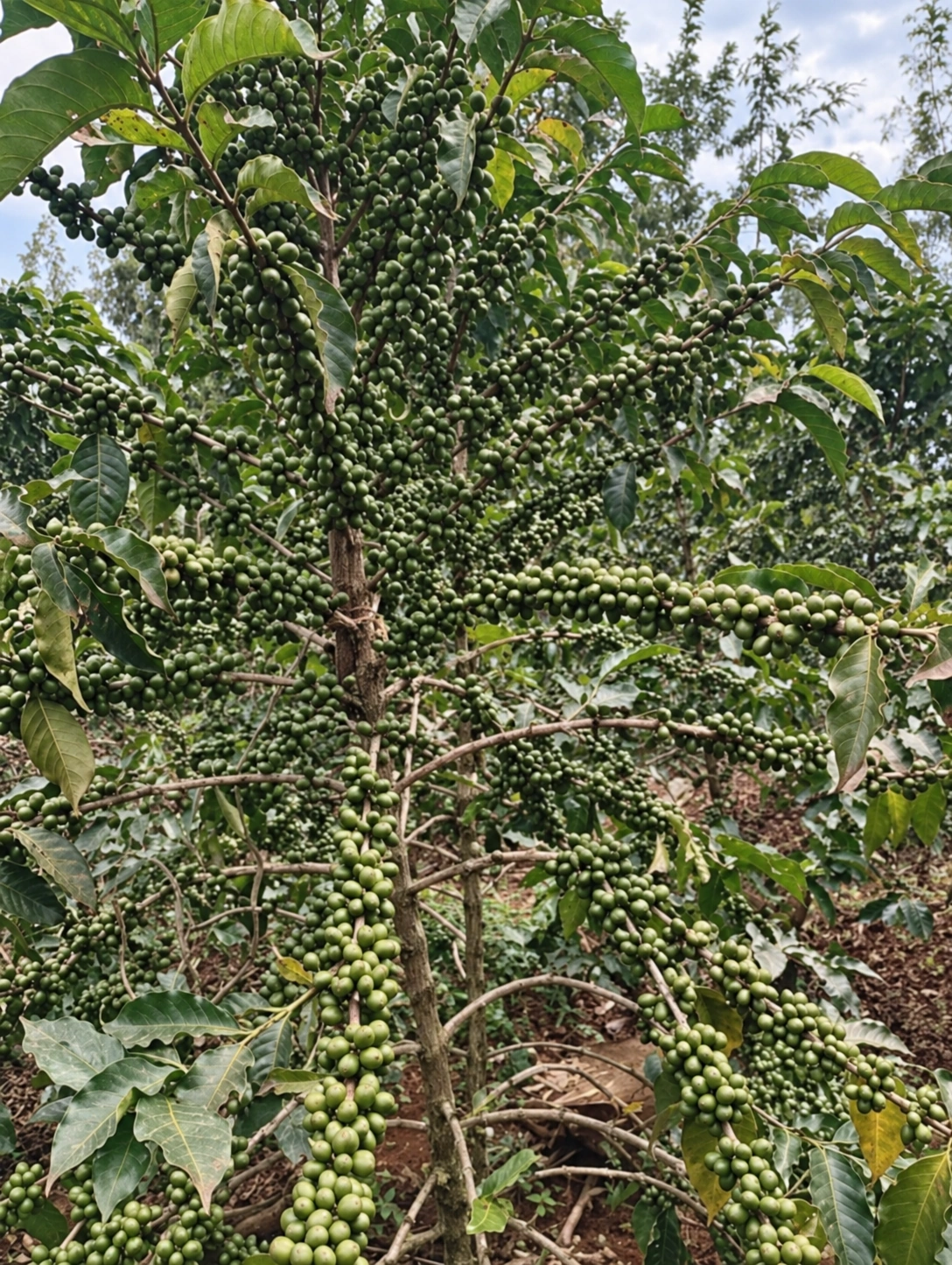
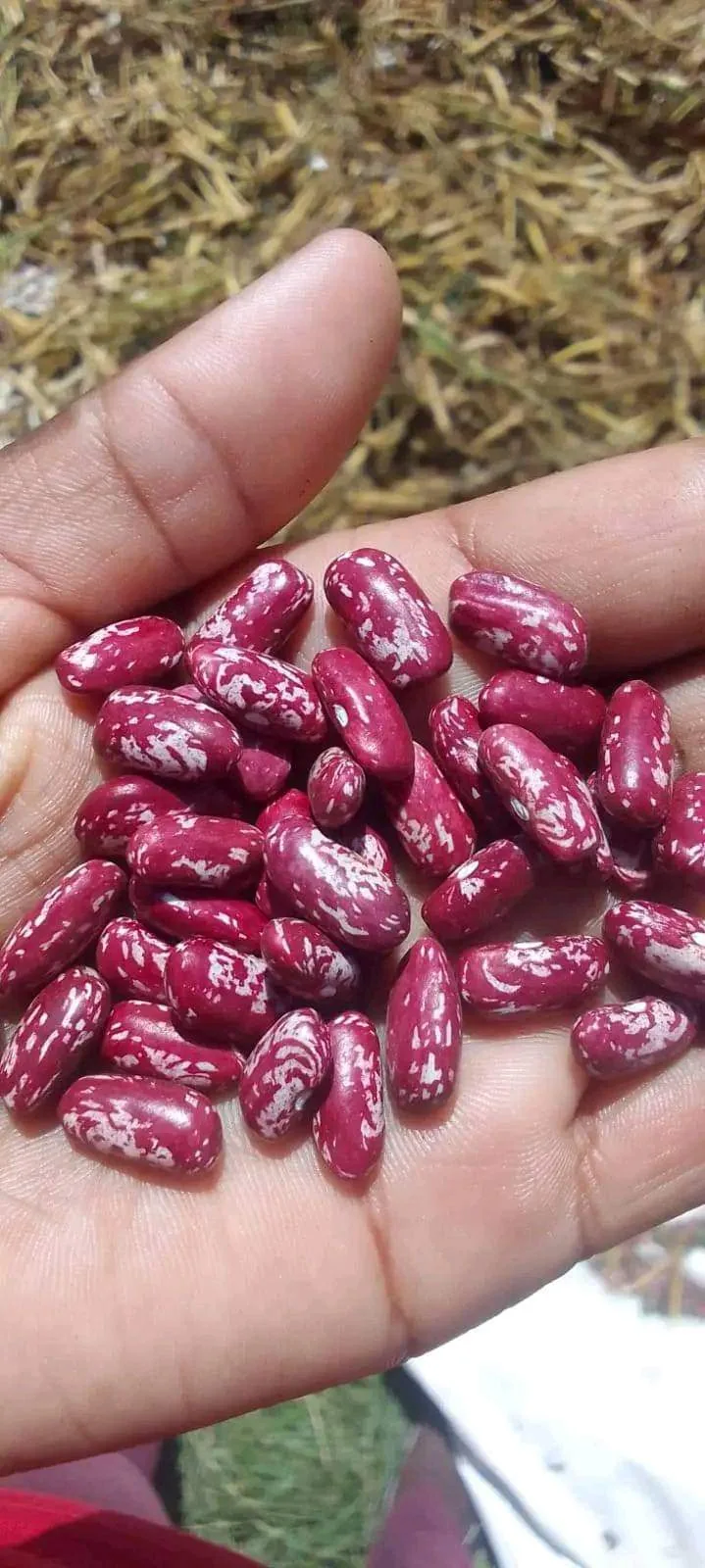
Illustrative edits of two field photographs supplied by the Maxyield team: without Maxyield on the left and with Maxyield on the right.
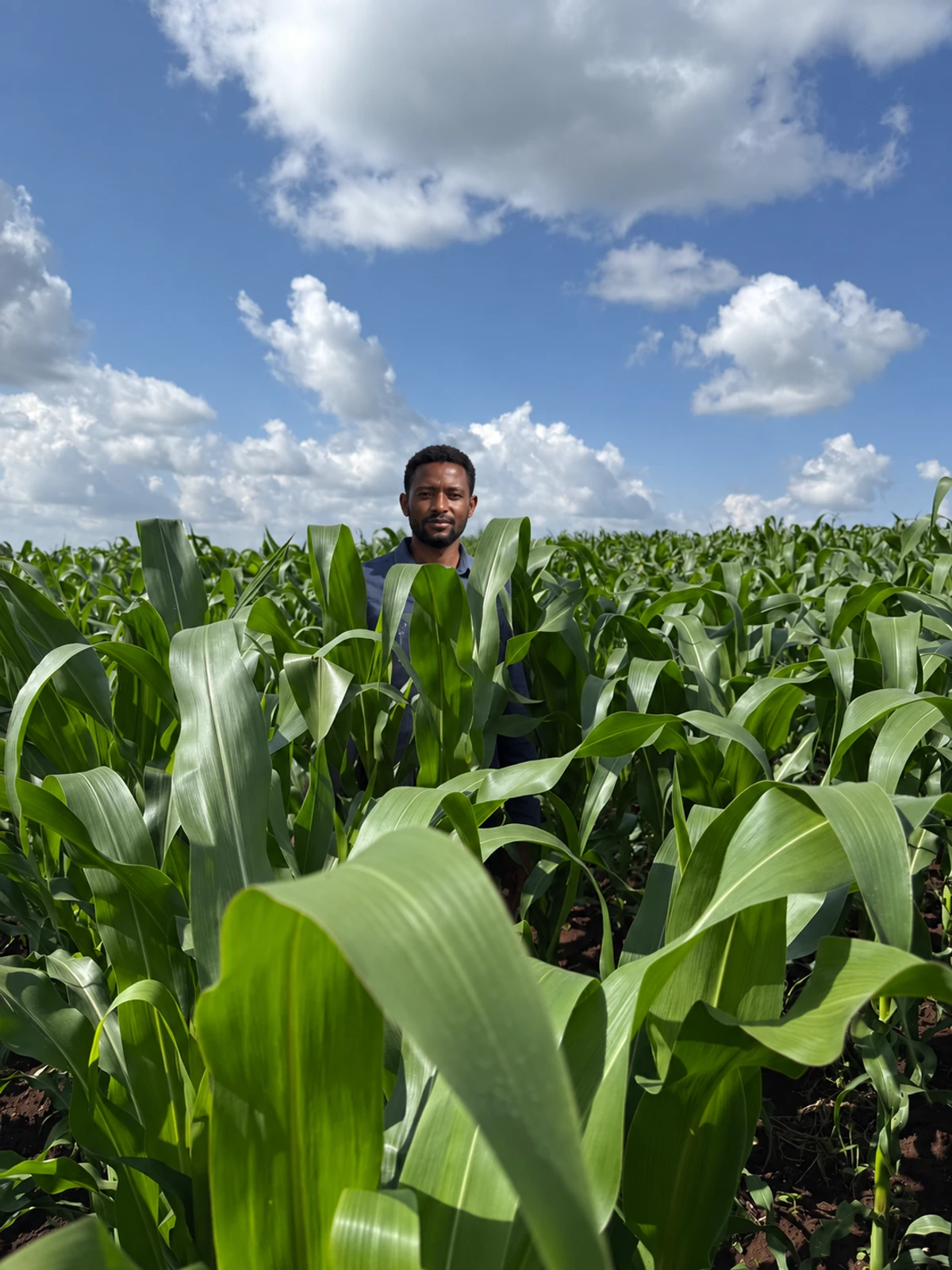
Illustratively edited: the person is shown with a fictional face and clothing. These are not unaltered trial photographs or measured yield evidence. Harvest figures and trial conditions have not yet been supplied.

 Without MaxyieldWith Maxyield