
Rice
Application guidance, soil pH and field resources.
Maxyield for Rice
For transplanted rice, establish vigorous nursery seedlings under the usual programme. Apply Maxyield evenly to the prepared field soil before transplanting, then consider a second application during early tillering. For direct-seeded rice, place the first application at sowing. Coordinate field applications with water management so the granules remain in the intended root zone.
The calculator follows the rice protocol supplied by Jens: 10 kg/acre at transplanting and 10 kg/acre at first top dressing during active growth / tillering. Nursery preparation and later side dressings for extended or ratoon crops are excluded; confirm the longer programme with your agronomist. Flooded soil pH changes after submergence, so interpret measurements for your production system. No automatic pH-based dose increases are applied.
Soil pH & crop suitability
pH is a guide, not a yield prediction. These ranges need local soil-test interpretation; unlisted values are not automatically safe.
Best pH conditions for this crop; no yield percentage is promised.
Usually a lower pH risk; test nutrients and monitor the crop.
Increasing risk of reduced growth or yield; investigate soil acidity and nutrition.
Check for nutrient limitations, particularly micronutrients.
Maxyield is a soil conditioner. It does not replace fertiliser or a soil-test-based liming programme. Nursery media rates are separate from field rates.
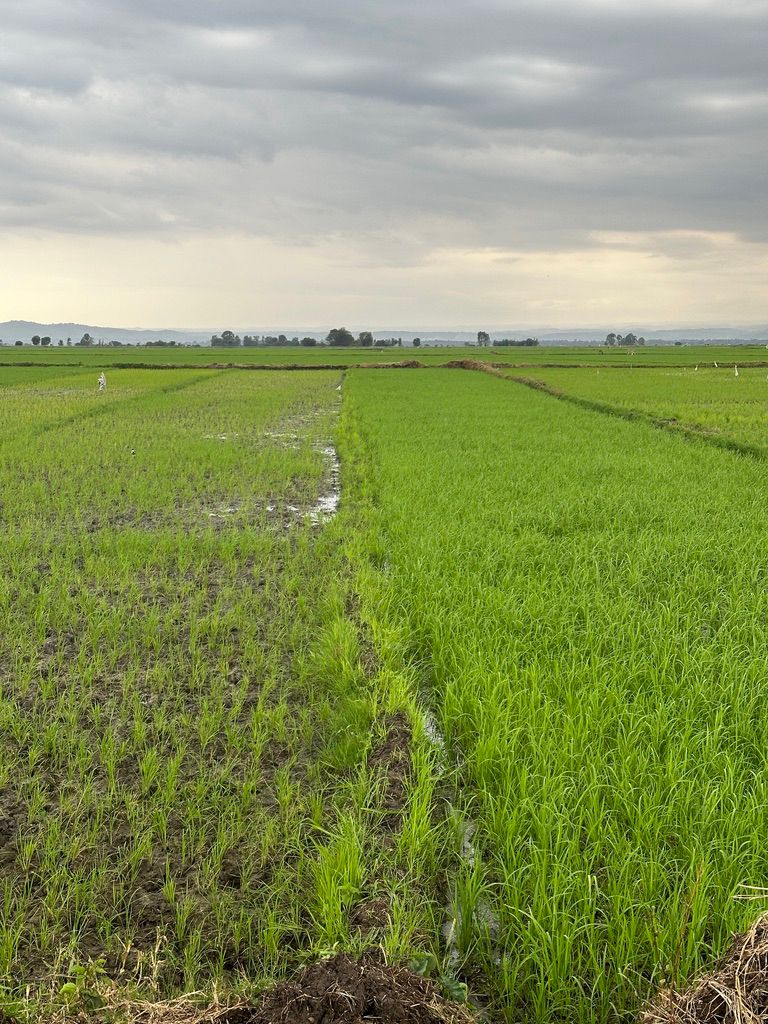
About the crop photographs
Crop photographs help identify each crop. Reference images are illustrative and do not show Maxyield treatment results.