Technical note · Ken & Tech
Tea soil pH and humic acid
Tea-specific technical background supplied by Ken & Tech. This is not an operating manual for the pH meter.
Application guidance, soil pH and field resources.
For nursery cuttings, blend 10 kg Maxyield thoroughly with 400 kg nursery soil before filling polybags. At field establishment or for established bushes, distribute 40–50 kg/acre (about 100–125 kg/ha) over the root area, away from the stems, with fertiliser or mature manure. An alternative split programme is 30–40 kg/acre per application twice annually (60–80 kg/acre/year), timed with the farm nutrition schedule and rainfall.
Tea naturally prefers acidic soil. pH-based dose adjustments require agronomic review and are not included in this calculator.
Tea-specific technical background supplied by Ken & Tech. This is not an operating manual for the pH meter.
PDFs open in a new tab, keeping this page available. Download saves a copy for offline reading.
pH is a guide, not a yield prediction. These ranges need local soil-test interpretation; unlisted values are not automatically safe.
Best pH conditions for this crop; no yield percentage is promised.
Usually a lower pH risk; test nutrients and monitor the crop.
Higher risk of root or nutrient limitations; seek a soil-test-based correction plan.
Check for nutrient limitations, particularly micronutrients.
Maxyield is a soil conditioner. It does not replace fertiliser or a soil-test-based liming programme. Nursery media rates are separate from field rates.
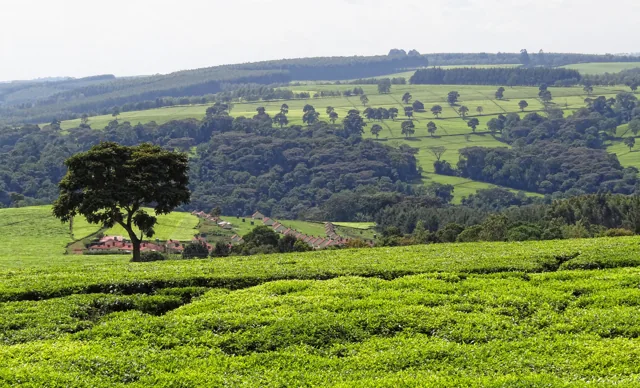
Crop photographs help identify each crop. Reference images are illustrative and do not show Maxyield treatment results.