Broccoli
Application guidance, soil pH and field resources.
Maxyield for Broccoli
Raise healthy seedlings in a nursery and transplant into moist, well-prepared soil. Incorporate Maxyield evenly into the planting bed before transplanting, then apply in the root zone during early establishment if the farm programme calls for a second application. Keep granules away from direct contact with the seedling stem and irrigate after planting.
The calculator follows the updated broccoli protocol supplied by Jens: 20 kg/acre at transplanting and 20 kg/acre at top dressing approximately 6–8 weeks later, totalling 40 kg/acre (100 kg/ha). Nursery preparation uses 10 kg per 400 kg of nursery soil or potting media and is excluded from field-area estimates. Soil pH concerns require soil testing and appropriate correction, not automatic dose increases.
Soil pH & crop suitability
pH is a guide, not a yield prediction. These ranges need local soil-test interpretation; unlisted values are not automatically safe.
Best pH conditions for this crop; no yield percentage is promised.
Usually a lower pH risk; test nutrients and monitor the crop.
Increasing risk of reduced growth or yield; investigate soil acidity and nutrition.
Check for nutrient limitations, particularly micronutrients.
Maxyield is a soil conditioner. It does not replace fertiliser or a soil-test-based liming programme. Nursery media rates are separate from field rates.
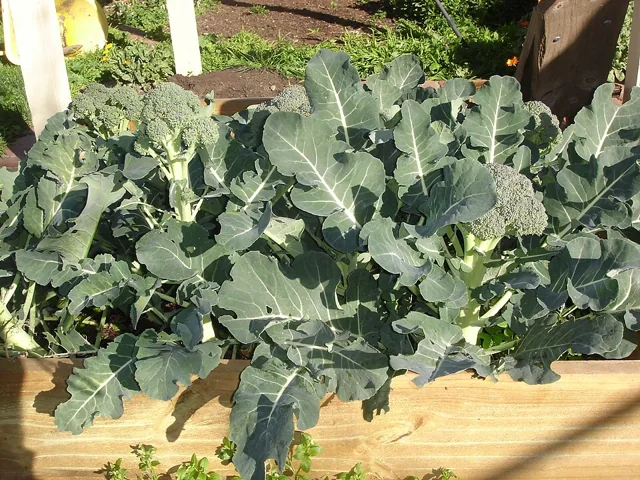
About the crop photographs
Crop photographs help identify each crop. Reference images are illustrative and do not show Maxyield treatment results.
- Broccoli — Etbe, CC BY-SA 3.0. Resized for the web; framing varies with screen size.